
African Bush Planes: What They Are, Why Weight Limits Matter, and What to Expect
(Sharing this before I fly — because this is exactly when most people start Googling.)
I’ll be honest: of all the parts of an African safari, the bush planes were the piece that made me pause.
Not enough to cancel.
Not enough to panic.
But enough to ask a lot of questions.
So I’m writing this pre-flight, before I step on one myself, because this is the moment when curiosity (and nerves) tend to show up — and I want you to have the clear, calm explanation I was looking for.
Let’s break it down.
What Is an African Bush Plane, Really?
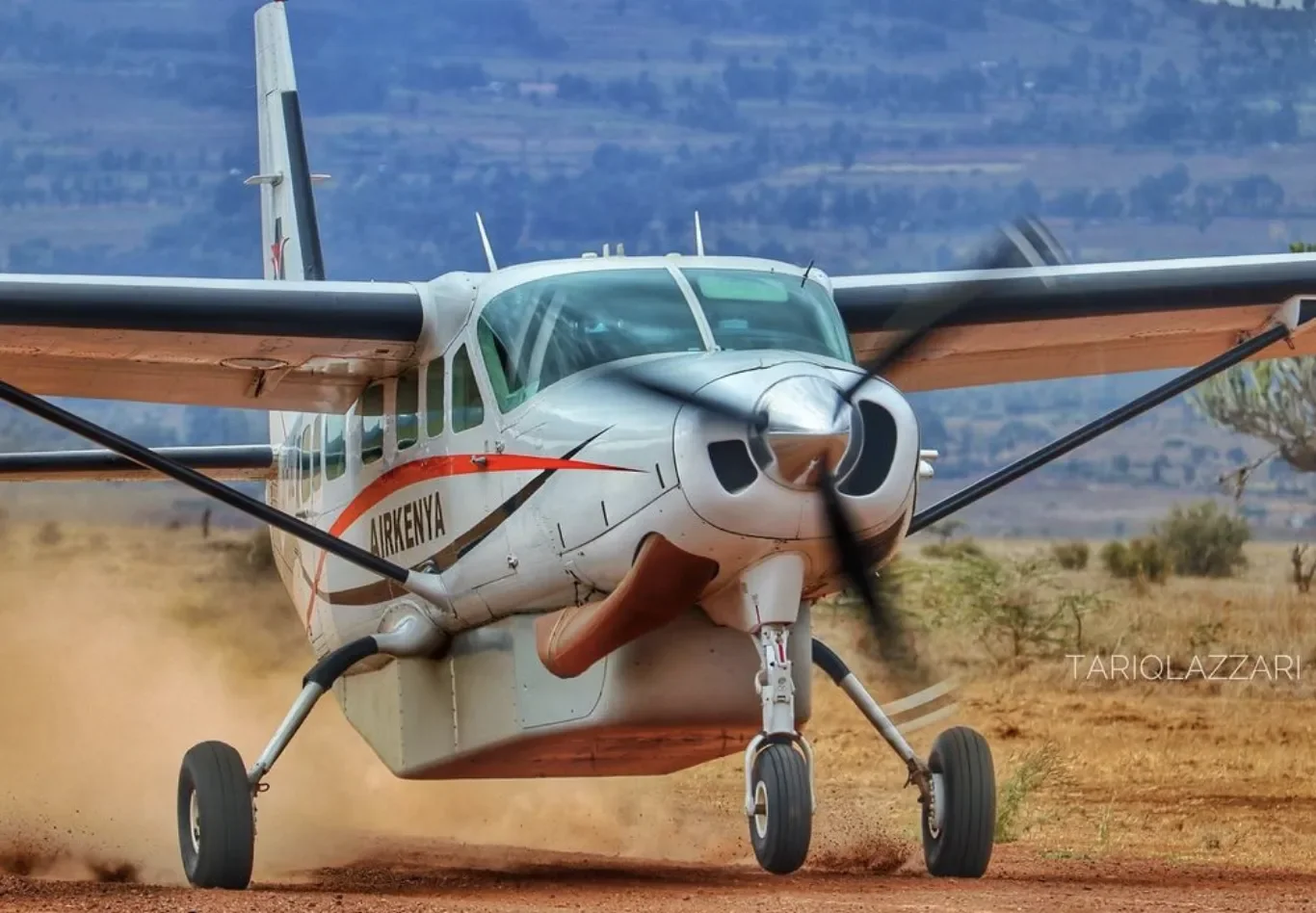
An African bush plane is a small regional aircraft used to reach remote safari camps that simply aren’t accessible by major roads.
These flights are:
Usually 8–12 passengers
Short (often 30–90 minutes)
Flown by pilots who do these routes every single day
Landing on dirt or grass airstrips near safari camps
They exist for one reason:
some of the best safari locations are truly remote.
No highways. No commercial airports. No shuttle buses.
The plane isn’t small because it’s risky — it’s small because it’s practical.
Why the Weight Limits Matter (and Why They’re So Specific)
This is the part that gets the most attention — and understandably so.
Bush planes have strict weight limits because:
The aircraft is small
Flights often land on short, unpaved runways
Safety calculations depend on exact weight distribution
Important thing to know:
👉 The limit is for you + your luggage combined.
This is why safari packing lists emphasize:
Soft-sided duffel bags
Lightweight packing
Leaving unnecessary items behind
It’s not about being nitpicky.
It’s about flying safely into places where precision really matters.
How Strict Is It, Actually?
Short answer: yes, the limits are real.
Longer (more reassuring) answer:
Bags are weighed
Limits are enforced
But this is very normal and handled professionally
What it’s not:
A surprise
A judgment
A “gotcha” moment
This is why planning ahead matters.
If something needs to be adjusted — an extra bag stored, weight redistributed, items left behind at a city hotel — those solutions are built into the process when you know what to expect.
This is also one of the reasons I always say Africa is not a destination to wing.
“There’s No Flight Number… and My Husband Can’t Track It”
This is oddly one of the most unsettling details for people — and I get it.
These flights:
Don’t have commercial airline flight numbers
Don’t show up on FlightAware or tracking apps
Are charter-style transfers, not scheduled airline routes
In our house, this matters — my husband loves tracking flights.
And this one? He won’t be able to.
But here’s the reframe that helped me:
Unfamiliar doesn’t mean unsafe.
These planes fly known routes, with experienced pilots, into camps that depend on them daily for guests, supplies, and staff.
They’re routine — even if they feel unusual to us.
What I’m Expecting the Experience to Feel Like
From everything I’ve learned and been told:
The flight itself is straightforward
The views are incredible
The “small plane” part fades quickly once you’re in the air
And landing near your safari camp is part of what makes the experience feel so special
This isn’t about luxury in the traditional sense.
It’s about access.
Why I’m Sharing This Before I Fly
Because this is the moment when people start second-guessing themselves.
And because I want you to know:
It’s normal to have questions
It’s okay to feel a little nervous
And it’s absolutely possible to feel prepared instead of anxious
Right now, the bush plane feels like the biggest unknown.
I have a feeling that once I land, it’ll feel like the gateway to everything we came for.
Final Thought (For Now)
The bush plane might be the part you think you’re nervous about.
But more often than not, it’s just the step that takes you from thinking about a safari to actually being in one.
I’ll share how it feels on the other side — but for now, this is everything I wanted to know before flying.
And if Africa is on your list someday, understanding how this part works makes the whole trip feel a lot less intimidating — and a lot more exciting.