
Cruising Through Europe: Different Routes, Different Vibes, Different Reasons
When someone tells me they're thinking about cruising through Europe, my first question is always the same: what do you actually mean by that?
Not because it's a dumb question — it's a great one. But "cruising through Europe" covers at least four completely different travel experiences, and they have almost nothing in common beyond the fact that you're sleeping on a boat. The pace is different, the ports are different, the onboard energy is different, and what you come home feeling is different. Picking the wrong style doesn't ruin a trip, but it does leave you thinking "that wasn't quite what I had in mind" — and at this price point, that's an expensive realization.
So let's sort it out.
Mediterranean cruises: the greatest hits tour
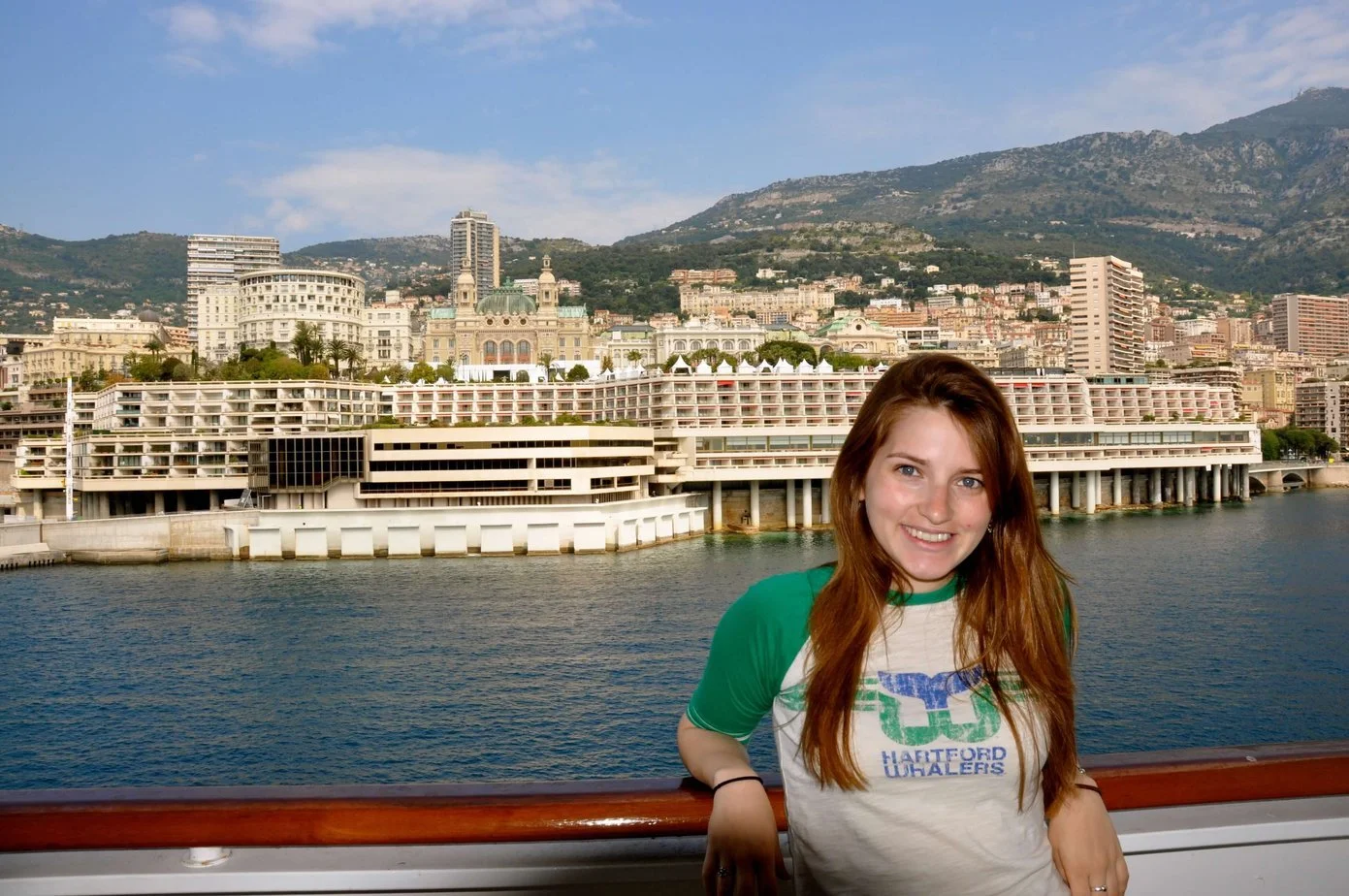
Mediterranean cruises are what most people picture first, and for a lot of travelers they're the right starting point. You're hitting iconic cities — Rome, Barcelona, the Greek islands, the south of France — on big, well-run ships with plenty of onboard programming and a packed port schedule.
The appeal is real: you see a lot in a short window, you don't change hotels, and for first-time Europe travelers or multigenerational groups who need built-in ease, the logistics are hard to beat. If your goal is "we want to see the highlights, figure out what we love, and come back later to go deeper," a Mediterranean cruise does exactly that.
The tradeoff is that ports are often far from city centers — sometimes an hour by shuttle — and the days are structured enough that you're more on the ship's schedule than your own. You're getting a taste of each place, not a real feel for it. For some travelers that's exactly right. For others, especially anyone who's already been to Europe a few times, it can feel like watching a destination through a bus window.

Aegean and Adriatic cruises: smaller ships, different energy
This is where things shift. Aegean and Adriatic cruises — think Croatia, Montenegro, parts of Greece, Turkey — tend to run on smaller ships that dock closer to town centers or directly in port towns you'd never find on a big-ship itinerary. You walk off the gangway and you're in the middle of it.
The whole vibe is different. Ships are quieter, more boutique, less programmed. Days feel more flexible. Ports feel charming instead of crowded. It's less sightseeing and more just being somewhere — and that distinction matters more than most people expect.
This style tends to resonate with couples, with travelers who've already done the big European cities, and with anyone who wants coastal beauty without the cruise-ship chaos. If the Mediterranean cruise is the "greatest hits" tour, the Adriatic cruise is the deep cut — the one people come back from saying "I had no idea that existed."
River cruises: a completely different kind of travel
River cruising isn't a subset of cruising. It's a different format entirely.
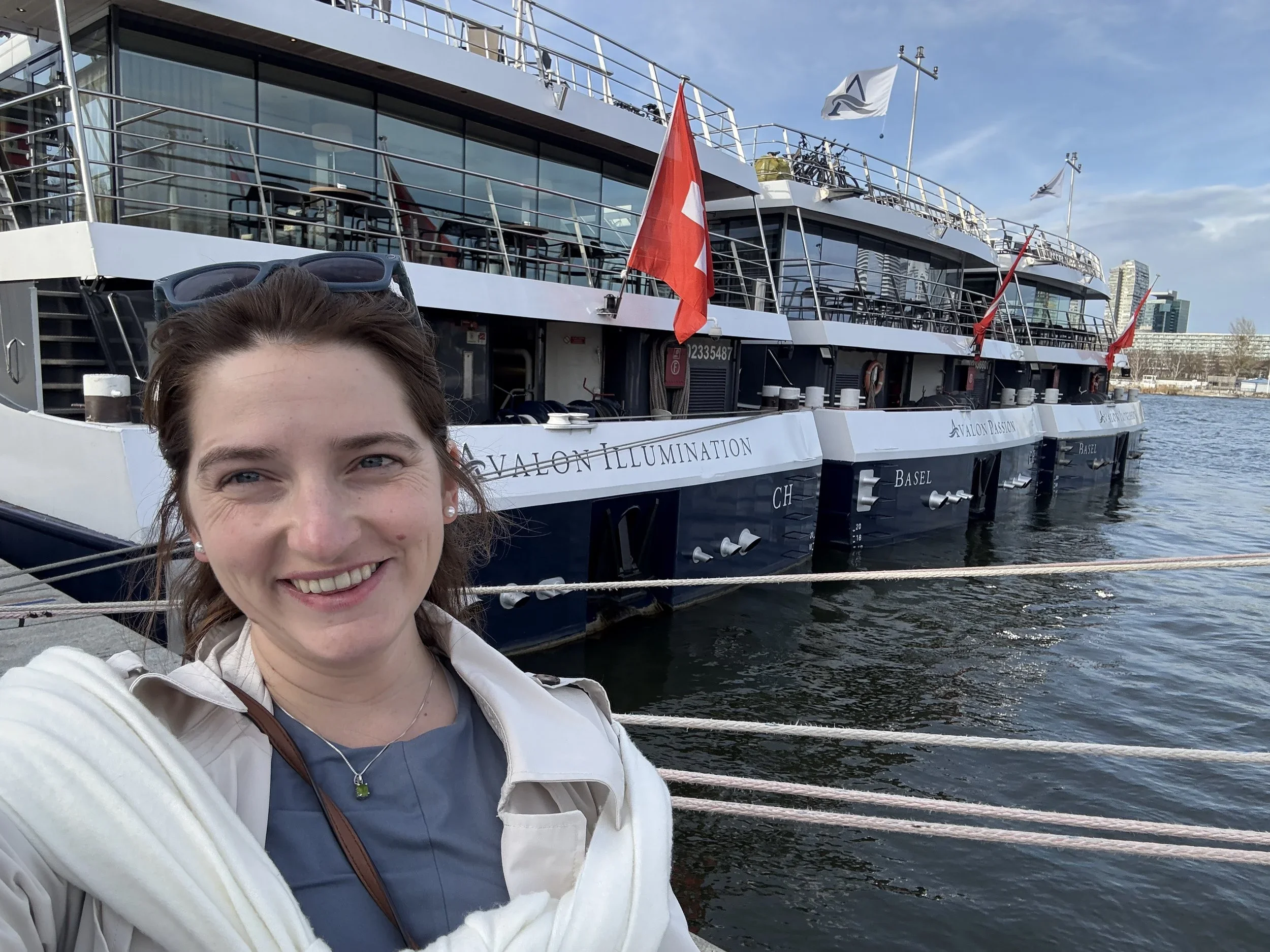
You're on a small ship — 150 to 190 passengers — moving through the interior of Europe on navigable rivers like the Rhine, the Danube, the Douro, or the Seine. You dock directly in the center of towns, most excursions are included, and the pace is intentionally slower than any other style of cruising. You're not sampling destinations from a distance. You're walking through them every morning.
This is the style I talk about the most because it's where the fit question matters the most. The right river cruise for the right traveler is one of the best trips in Europe. The wrong one — wrong line, wrong river, wrong expectations — is an expensive mismatch. I've written extensively about how to get that decision right, and if river cruising is on your radar, that's where to start: everything I have put together on River Cruises is HERE
Northern Europe cruises: stunning when done with intention
Northern Europe — the UK, Ireland, Norway, the Scottish Highlands, the fjords — is breathtaking cruise territory. It's also the style that falls apart fastest without proper planning.
These itineraries are highly seasonal and genuinely weather-dependent. Excursions often aren't right at the port — you're heading into the countryside, up a fjord, or out to a remote village, and the logistics of getting there and back are part of the experience. When it works, it's some of the most dramatic scenery you'll see from any ship anywhere. When it's done without intention — wrong time of year, wrong expectations about what the days look like — it can feel disjointed and frustrating.
If nature is the priority and you're flexible with weather, Northern Europe is incredible. Just go in with your eyes open about what the experience actually looks like day to day.
So how do you actually choose?
The format should follow the goal, not the other way around. A few questions that usually clarify things fast:
Is this your first time in Europe, or have you been before? First-timers often get the most out of a Mediterranean cruise or a well-planned land itinerary. Repeat visitors tend to gravitate toward river cruises or the Adriatic.
Are you trying to see a lot of places, or do you want to really experience fewer places well? That single question eliminates half the options immediately.
Who's traveling? A multigenerational family has different needs than a couple celebrating an anniversary. The format that works for one might not work for the other.
And honestly — is cruising even the right call? Sometimes someone comes to me thinking they want a cruise and what they actually want is two weeks in Italy with a few home bases and trains between them. That's a completely different trip, and it's a better one for certain travelers.
There's no wrong answer to any of this. But there is a wrong format if it doesn't match your goal — and getting that part right is what turns a good trip into a great one.
Trying to figure out what fits?
If you're somewhere between "I think I want a cruise" and "I have no idea where to start," that's exactly where a conversation helps. No pitch, no pressure — just a real talk about what makes sense for your trip.
Leaning toward a river cruise?
My one-page cheat sheet compares 10 major lines side by side — what's included, who each one is best for, and where you get the most value. Free, straight to your inbox.