
Venice Travel Guide: What to Book Ahead and What to Leave Open
Venice works completely differently than every other city in Italy. Here's how to plan it so it doesn't feel like a checklist.
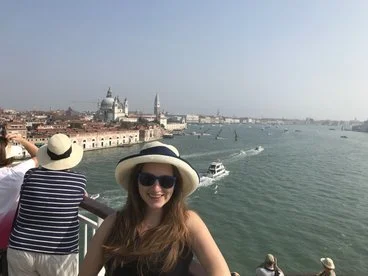
There is nowhere else on earth like Venice. No roads, no cars, no normal city grid — just more than a hundred small islands connected by bridges and canals, and a city that has been confusing and delighting visitors for centuries. It's also genuinely easy to get wrong as a traveler, either by overscheduling it like Rome or underscheduling it and spending your whole trip at St. Mark's Square wondering what you missed.
Here's how to get the balance right.
How Many Days Do You Need?
Two to three days is the minimum to actually experience Venice rather than just pass through it. One day is not enough — the city rewards slowness in a way that's hard to explain until you're there. Three days gives you time for the major sites, the islands, and the wandering that makes Venice feel like Venice.
What to Book Before You Go
Doge's Palace is the one non-negotiable advance booking in Venice. It's one of the most historically significant buildings in the city and the lines without a timed ticket are brutal. Book it. St. Mark's Basilica terrace access also goes quickly and is worth the advance reservation for the views over the square. If you're visiting during opera season, Teatro La Fenice is one of Italy's most beautiful opera houses — tickets go fast for good performances.
The Peggy Guggenheim Collection is worth booking ahead during peak season too — it's a genuinely excellent modern art museum and a much calmer experience than the major galleries in Florence or Rome.
For experiences, a private gondola at sunset sounds like a tourist cliché until you're actually on one — book it ahead through a reputable operator rather than negotiating on the spot at the canal. A cicchetti food tour is one of the best ways to understand Venetian culture — cicchetti are Venice's version of tapas and the bacari (wine bars) where you eat them are nothing like the tourist restaurants around the square. A Murano glass workshop visit is worth booking if you want to actually see the glassmaking rather than just browse the shops.
Day Trips Worth Building In
Murano and Burano together make a good full day — Murano for the glassmaking tradition, Burano for the absurdly colorful houses and the lace. Don't try to rush both into a half day. Verona is about an hour and a half by train and worth it if you have an extra day — beautiful historic city, great food, much less crowded than Venice. The Prosecco wine region in the Veneto hills is worth it if wine is your thing.
What to Leave Open
Get lost. Genuinely — put the map away and wander the small alleyways away from St. Mark's Square until you find a quiet canal with nobody else around. That moment is Venice. Hop between bacari in the evening with a glass of wine and whatever's behind the counter. Watch the light change over the Grand Canal from a bridge. Sit in a small piazza café that isn't the famous one.
The Rialto Bridge, the Grand Canal views, the gondolas threading through narrow canals — these appear naturally as you move through the city. You don't need to chase them.
The Mistakes I See Most Often
Treating Venice like a big city and trying to pack it like one. It's small, it's slow, and it punishes overscheduling more than almost anywhere else in Italy. One or two major things per day, real meals, and unstructured time in between. The travelers who love Venice most are almost always the ones who slowed down and let it happen.
Also: staying near St. Mark's Square isn't always the right call. Where you stay in Venice changes your entire experience of the city — worth talking through before you book.
Italy is one of the most requested trips I plan, and Venice is almost always part of it. If you want help building an Italy itinerary that actually does the country justice, let's talk.