
WW2 or Ancient History: Planning the Trip for Your History Kid
New here? This is the final week of the Graduation Trip Series — [start with the story](link to week 1). It'll make this one land harder.
"Our kid is a history nerd. Where do we even start?"
First: congratulations. History kids make the BEST travelers — they're the ones staring at the thing while everyone else looks for wifi. But "history" isn't one destination. A WW2 kid and an ancient-Rome kid are pointed at completely different maps. Remember the Coffee Talk question about their favorite thing they learned in school? This is where that answer cashes in.
And if you've followed this series from week one, you know I have skin in this particular game. We'll get there.

Where the WW2 kid goes
More places than you'd think — and each one teaches it differently:
Normandy — the beaches. Standing there changes people. It's the anchor day against which every other WW2 site gets measured, and for American families it hits closest to home.
Berlin — the history is on every block. World-class museums, the Wall, the memorials — a city that decided to face its history in public, permanently.
Munich — completely rebuilt. And that's the lesson: the absence IS the history. Walking a city that had to be put back together teaches the war differently than any museum.
London — the Churchill War Rooms. The war from underground, preserved exactly as it was left. For the kid who loves the strategy and the story, this is the one.
Salzburg — the Eagle's Nest. Yes, the Sound of Music town. History's complicated like that, and honestly, the whiplash is part of the education.
And the question that changes everything: is there a family connection? Grandpa fought there. Grandma's family came from there. Tell me — because walking the ground where YOUR family's story happened isn't sightseeing anymore. It's the trip they'll tell their own kids about. I've built these, and there is nothing else in this job like them.
Where the ancient history kid goes
Rome — the Colosseum, the Forum, and a city where you trip over 2,000 years on the way to lunch. Literally. Watch your step.
Athens — the Acropolis. The OG.
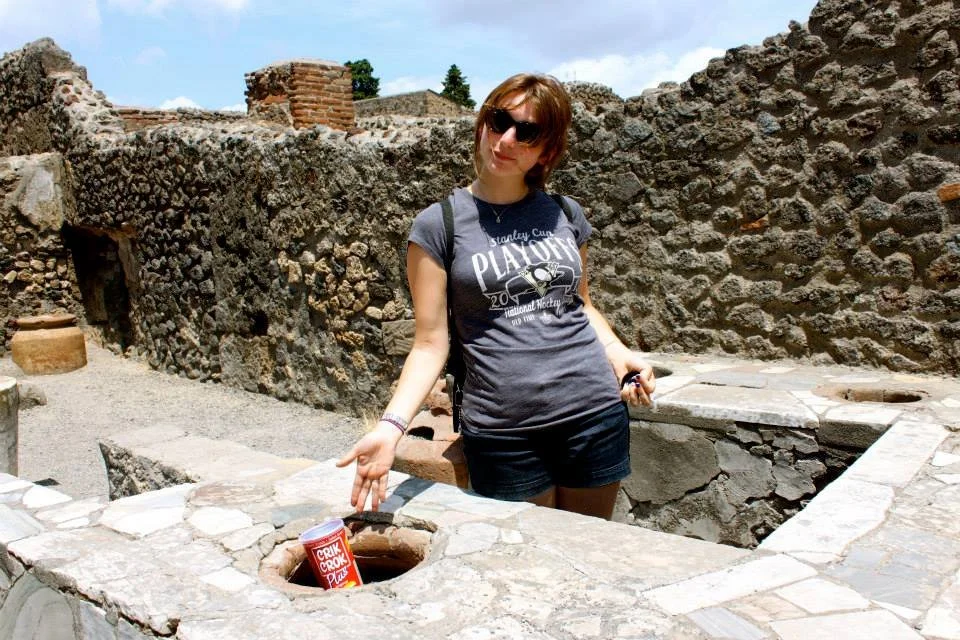
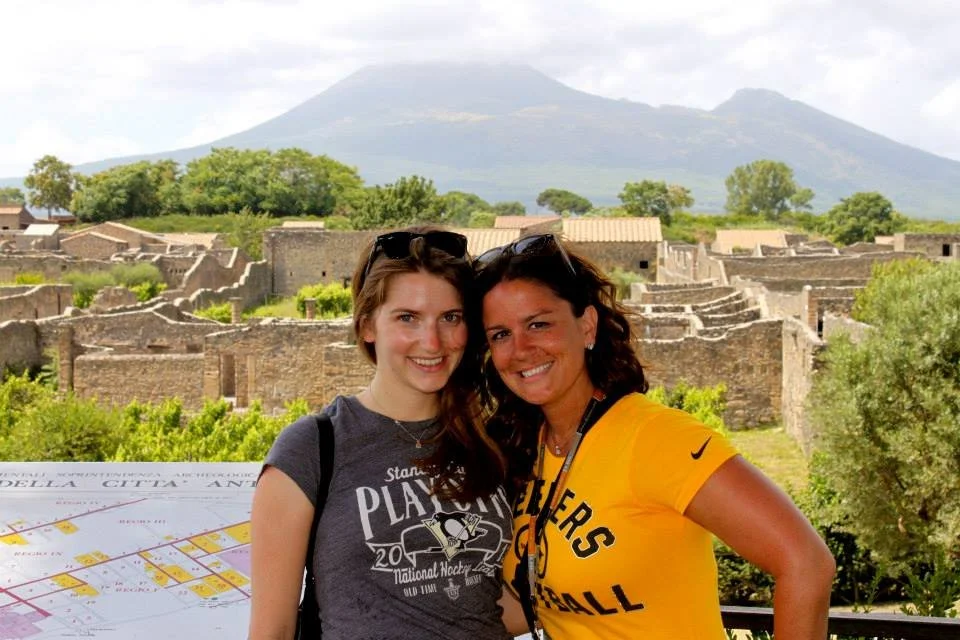
Pompeii — the kid who loved the textbook chapter walks INTO the textbook. Watching that click happen — the moment the thing from school is suddenly, physically REAL — is one of my favorite parts of this job.
Sicily — Greek temples somehow better preserved than most of Greece's, with beaches attached. (The dose principle, which we're about to discuss, loves Sicily.)
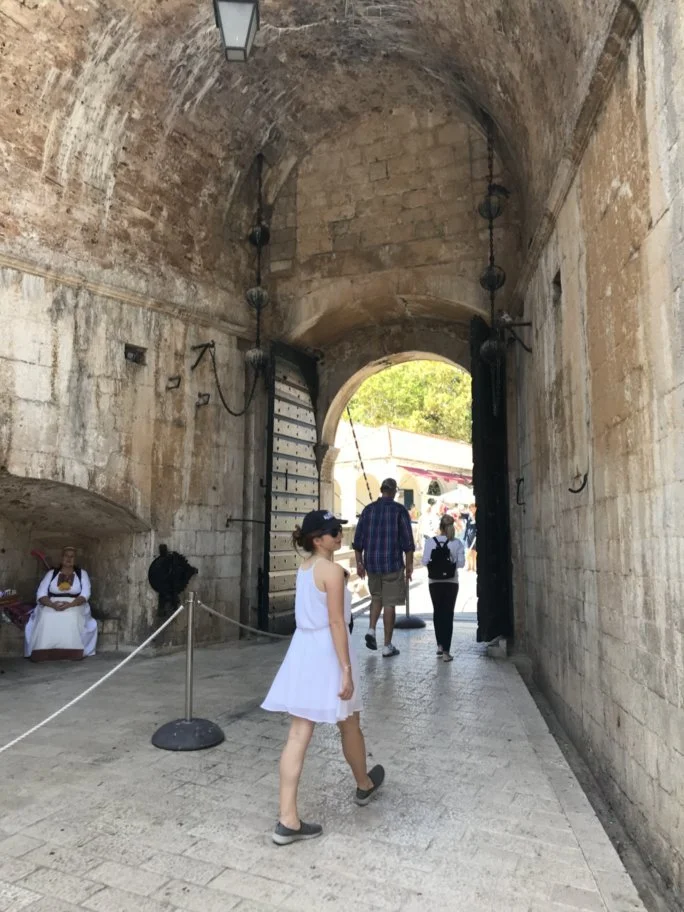
Split, Croatia — Diocletian's Palace. A Roman emperor's retirement home that people still LIVE in. There are apartments inside it. Restaurants. Laundry lines. Dinner inside a 1,700-year-old palace wall is a normal Tuesday there, and for the right kid, it beats every museum on this list.
Full circle: didn't I want a WW2 trip?
I did. If you read week one, you know: seventeen-year-old me wanted Poland and Berlin, the whole itinerary. My mom said it seemed "really depressing," vetoed it, and booked a Mediterranean cruise instead.
Here's what I know now, doing this for a living: she didn't have to say no. She had to say "how much."
The answer wasn't zero WW2. It was a DAY of it — inside a trip that also had beaches and gelato and a teenager befriending the entire crew of a Holland America ship. That's the whole skill, and nobody handed it to us. It's the reason this series exists.
(And yes — I eventually got to Poland, as an adult, with better pacing. It was worth the wait. Some trips are.)
How to build it without it becoming a school field trip
The dose makes the trip.
One anchor day for the interest — Normandy, Pompeii, the museum that matters — placed in the FRONT half of the trip, while everyone's fresh and generous. Then the interest keeps echoing for free: the ruins next to the beach, the memorial you walk past on the evening stroll, the plaque the kid stops to read while everyone else gets gelato.
History kids don't need a history TRIP. They need a trip that takes their thing seriously. There's a difference, and knowing it is my job.
That's the series.
Nine weeks. Every fork in the road: when to go, cruise or land, Italy or Greece, train or car, hotel or apartment, rocks or sand, cities or towns, and now the history question that started it all. And every single answer traced back to the same place: eleven questions and a teenager over coffee.
If your kid graduates in 2027, this is your sign — and your deadline. January is when everyone else wakes up. The families who start now get the good guides, the right rooms, the June dates. The trip can still be wrapped and under the tree, but that window is measured in days.
Drop your email below and the Coffee Talk is yours. Do the talk over winter break. Then you and I get coffee — without them — and build the trip they'll still be telling people about at their wedding.
Like me. Still telling people about mine, twenty-some years later. Some gifts don't shrink.